It's All in the Details: Why Presentation Matters for Branded Gifts
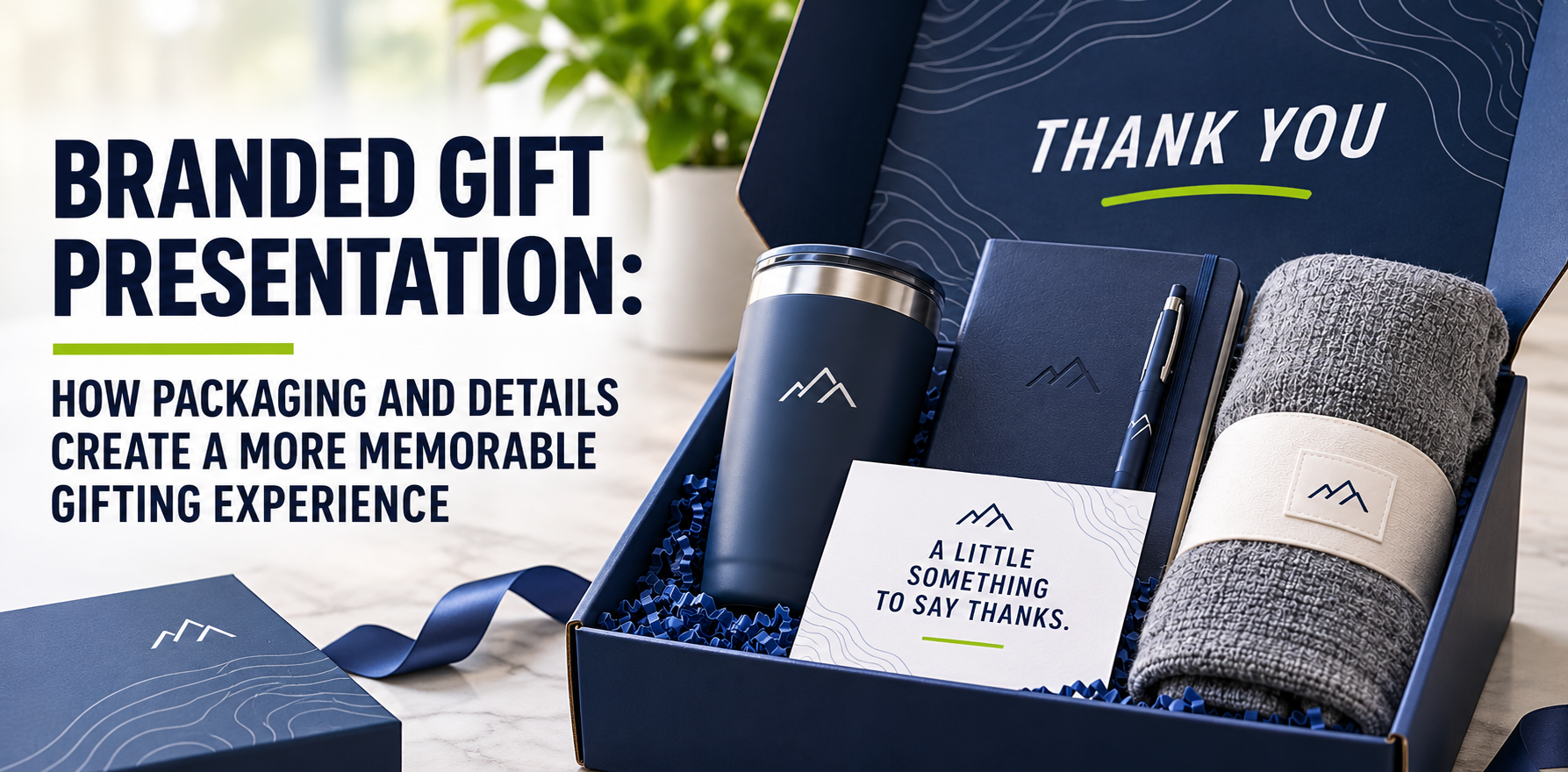
A branded gift starts making an impression before the recipient ever uses what is inside. The weight of the package, the colors, the way each item is arranged, and the message that appears when the box opens all communicate something about the organization that sent it.
That is why presentation matters. A useful product can become a more memorable gift when the packaging feels intentional, coordinated, and appropriate for the occasion.
Whether you are thanking clients, welcoming employees, recognizing a milestone, or sending holiday gifts, thoughtful presentation can help the entire experience feel more personal and complete.
Why presentation matters for branded gifts
Recipients notice the details surrounding a gift. A product placed in a plain shipping carton may still be useful, but the same product presented in a coordinated box with tissue paper and a short note feels more deliberate.
Strong presentation can:
- Create a positive first impression
- Show that the gift was selected with care
- Reinforce the organization’s visual identity
- Help several products feel like one coordinated set
- Give context to the gift and the reason it was sent
- Make remote recipients feel included
- Increase the likelihood that the experience will be remembered or shared
Presentation does not have to be elaborate or expensive. It simply needs to feel considered. A clean mailer, consistent colors, secure product placement, and a well-written card can make a meaningful difference.
Start with the purpose and the recipient
Before choosing packaging, decide what the gift needs to communicate.
Ask a few practical questions:
- Who will receive the gift?
- What is their relationship with the organization?
- What occasion or message does the gift support?
- Will it be presented in person or shipped?
- Should the experience feel celebratory, welcoming, premium, practical, or playful?
- How visible should the organization’s branding be?
A new-hire kit may call for bold company colors and an enthusiastic welcome message. A client-appreciation gift may benefit from understated branding and a more refined presentation. An event giveaway needs packaging that is easy to transport and distribute.
Defining the purpose first keeps the packaging connected to the message instead of treating it as an afterthought.
Build a coordinated gift experience
A memorable gift set does not require a large number of products. In many cases, a few carefully selected items create a stronger impression than a crowded box of unrelated merchandise.
Choose a focal item
Begin with the primary gift. This might be premium drinkware, branded apparel, a travel accessory, a notebook, a blanket, or a technology product. The focal item should fit the recipient, occasion, budget, and intended message.
Add useful supporting items
Smaller products can support the main gift and make the package feel complete. A tumbler might be paired with coffee, tea, or snacks. A notebook might be combined with a quality pen and a planning card. A piece of apparel might be presented with a cap, socks, or a personal note.
Each addition should have a reason to be included. Avoid adding filler simply to make the package look full.
Use a consistent theme or color palette
Products do not need to match perfectly, but they should look intentional together. A shared color palette, campaign theme, or use case can connect the items visually.
For example, a travel-themed gift might include a bag, insulated bottle, charging accessory, and luggage tag. A work-from-anywhere kit could combine a notebook, tech organizer, drinkware, and a comfortable layer.
Choose packaging that fits the gift
The best packaging protects the products, supports the presentation, and makes sense for the delivery method.
Common options include:
- Custom or stock gift boxes
- Branded mailer boxes
- Tissue paper or crinkle fill
- Product sleeves and belly bands
- Ribbon, stickers, or custom seals
- Printed inserts and message cards
- Reusable totes, pouches, or containers
- Individual product wrapping
A custom printed box can create a strong visual moment, but it is not the only way to achieve a polished result. A stock box in a brand color, finished with a custom sticker and neatly arranged tissue paper, can also feel cohesive.
Consider the size and weight of the products before choosing the packaging. Oversized boxes can increase shipping costs and allow items to shift in transit. Packaging that is too tight may damage the products or make the box difficult to open.
Use branding with intention
Every surface does not need a logo. In fact, selective branding often feels more confident and premium.
Branding might appear on:
- The primary product
- The outside or inside of the box
- A sticker or seal
- Tissue paper or ribbon
- A printed insert
- A gift tag or note card
- A shipping label or return-address area
Think about the experience as a whole. If the products already feature prominent logos, the packaging can be more subtle. If the products are intentionally understated, the box or insert may carry more of the campaign message.
Consistent logo placement, approved colors, and readable artwork help the finished gift feel aligned with the rest of the organization’s communications.
Add personalization where it matters
Personalization can turn a standard gifting program into an experience that feels individual.
Depending on the project, personalization may include:
- The recipient’s name or initials on a product
- A card addressed to the recipient
- A message connected to a milestone or achievement
- Packaging labeled by employee, department, or location
- Product or size choices collected through an online store
- A note signed by a leader, account manager, or team
Even a short message can add meaning. Explain why the gift is being sent and what the recipient’s relationship or contribution means to the organization.
Personalized programs require accurate information and additional production time. Names, sizes, addresses, and messages should be collected in a consistent format and reviewed before production begins.
Plan the unboxing experience
Think through what the recipient will see at each stage of opening the gift.
- The outside: The shipping carton or mailer should arrive clean, secure, and appropriately labeled.
- The first reveal: The inside of the lid, tissue paper, or a message card can introduce the theme and reason for the gift.
- The product arrangement: Items should be easy to see, neatly placed, and protected from movement.
- The final message: A note, insert, or call to action can explain the gift and provide any useful instructions.
If gifts will be shipped, assemble and send a test package before completing the entire program. A shipping test can reveal whether products move, packaging becomes crushed, labels peel, or the arrangement changes during transit.
Match the presentation to the delivery method
Hand-delivered gifts
Gifts presented at a meeting, celebration, or employee event can use packaging designed for immediate impact. Bags, open-top gift boxes, ribbon, and presentation cards may work well because the package will not need to travel through a shipping network.
Individually shipped gifts
Home and office deliveries need stronger protection. The presentation should survive handling while remaining easy to open. Confirm addresses, apartment or suite information, delivery deadlines, and any international shipping requirements before fulfillment begins.
Event and conference gifts
Event gifts should be easy to store, transport, and distribute. Consider how attendees will carry them throughout the day. Compact packaging, reusable bags, and products that fit into luggage may create a better experience than a large or fragile presentation.
Avoid common presentation mistakes
Small planning issues can affect the way a gift is received. Common mistakes include:
- Using a box that is much larger than the products
- Adding excessive packaging that creates unnecessary waste
- Combining items without a clear theme or purpose
- Using inconsistent logo versions or brand colors
- Forgetting to explain why the gift was sent
- Placing adhesive materials directly on delicate products
- Waiting until the last minute to plan assembly and fulfillment
- Skipping a test shipment for individually mailed gifts
Reviewing a fully assembled sample allows stakeholders to evaluate the products, packaging, message, and opening experience before the complete order is produced.
Include presentation in the timeline and budget
Packaging, personalization, assembly, and delivery all require time and resources. They should be discussed at the beginning of the project rather than after the products have already been ordered.
The complete budget may include:
- Products and decoration
- Boxes, mailers, bags, or wrapping materials
- Printed cards, inserts, or labels
- Personalization
- Assembly and kitting
- Address verification
- Storage and fulfillment
- Individual or bulk shipping
Starting early provides more packaging choices and allows time to create artwork, review samples, collect recipient information, and coordinate delivery.
The details create the impression
A successful branded gift is more than a product with a logo. It is the complete experience of receiving, opening, and using something selected with purpose.
Thoughtful packaging, coordinated products, intentional branding, and a clear message can make a simple gift feel more meaningful. Those details show recipients that the organization values the relationship and cared about how the gift would be received.
Marked Promo can help coordinate product selection, decoration, packaging, kitting, personalization, and delivery for employee, client, prospect, and event gifting programs.
Request a quote and tell us about your next branded gift project.